


10
Jun
Paraquat Linked to Parkinson’s Disease in U.S. County with Among the Highest Rates, Supporting Call for a Ban
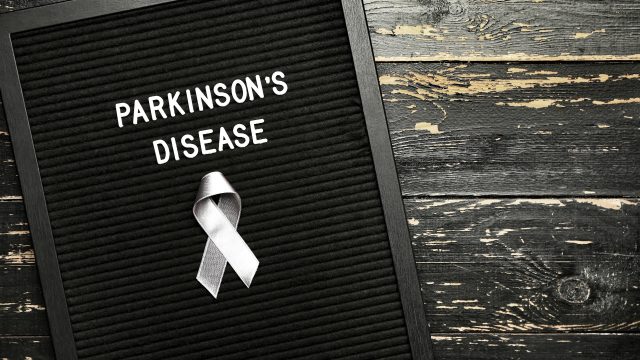
(Beyond Pesticides, June 10, 2026) Adding to the wide body of science connecting the weed killer paraquat to deleterious health and environmental effects, Investigate Midwest recently released an investigative news article connecting air emissions of paraquat from chemical plants in the Mississippi Basin to Parkinson’s disease, among other adverse health effects. The herbicide is also fatal to humans with a single sip, as documented in the article, entitled “This herbicide is so toxic it’s been banned in over 70 countries. But plants in the South are releasing it into the air.”
In capturing the story of Wayne County, Mississippi, where approximately 20,000 people live surrounded by forest and farmland, Investigate Midwest sheds light on the connection between the Sipcam Agro plant that processes and emits paraquat. The plant is located in the county with among the highest U.S. rates of Parkinson’s disease deaths, the top 7% of all U.S. counties.
Background on Paraquat
Paraquat has been on the market since the 1960s, created by a predecessor of Syngenta. In March of this year, Syngenta announced it would stop producing paraquat in the UK after thousands of lawsuits, primarily by farmers and farmworkers, cite Syngenta’s failure to warn of adverse health effects like Parkinson’s disease. Stopping the production of paraquat in the UK will not prevent paraquat from entering the U.S., as “other companies and other facilities—like the one in Wayne County—will fill the gap, likely increasing the amount of paraquat they handle.”
According to previous data from the U.S. Geological Survey, approximately 11 to 17 million pounds of paraquat were sprayed annually in 2017, which may be much higher in recent years. Despite bans in over 70 countries, including China, Brazil, and throughout the European Union (EU), the U.S. continues to utilize paraquat in agriculture. With inaction in the U.S. through the Environmental Protection Agency (EPA), states are stepping in with bans. (See more on regulatory deficiencies here.)
Just this year, 13 states have introduced bills to ban or restrict paraquat. Most recently, the ban in Vermont successfully passed on May 26, making it the first state to implement a paraquat ban. This bill will ban the use or sale of paraquat starting on November 1 of this year, while farmers can get written exceptions for certain crops until the end of 2030.
Research has proven that paraquat is not needed for agriculture. A 2023 study, published in Environmental Science and Pollution Research, finds that “eliminating paraquat will save lives without reducing agricultural productivity,” further supporting additional scientific literature that showcases the viability of alternative agricultural and land management practices, such as with organic. (See here.)
Despite decades of research and campaigns to remove paraquat from the U.S. market, this chemical continues to be used domestically, sprayed on millions of acres of farmland each year. “About 35% of large commercial farms in the U.S. now use paraquat to kill weeds and dry up crops for harvest, often soybean, corn and cotton,” the Investigate Midwest article points out. “It can quickly clear large tracts of land without having to pay laborers to till [or adopt intercropping or mulching systems typically used in organic management]. Use of the cheap, broad-spectrum herbicide has more than tripled between 2006 and 2017, a surge the EPA has attributed to a rise in resistance to another popular herbicide called glyphosate, also known as Roundup.” Swapping one poison for the other when resistance occurs, or as individual compounds are banned, perpetuates the pesticide treadmill and ignores the availability of safer alternatives.
Paraquat Emissions
While paraquat is not produced in the U.S. due to manufacturing costs being much lower in other countries, millions of pounds of paraquat enter the U.S., mainly through the southern states. As the article states: “The majority of paraquat entering the U.S. between 2017 and 2024 – 398 million out of 583 million pounds – came through the Port of New Orleans… The number of shipments has also been increasing. In 2006, the Port of New Orleans imported 14 shipments of paraquat. By 2016, it was 144 shipments, and in 2025, 449, averaging more than one a day, according to data provided by Coming Clean, a nonprofit environmental health collaborative. Most of those shipments were by Syngenta.”
The chemical plant in Wayne County, Mississippi, is allowed by law to emit paraquat, as it is not a federally regulated air pollutant. Since Sipcam Agro took over the facility in 2023, in 2024, “airborne emissions soared to over 47,000 pounds: enough paraquat to treat a tract of land larger than the city of Atlanta. The plant released a combined 81,667 pounds of the toxic herbicide into the air in 2023 and 2024. They were reported as fugitive emissions, likely meaning they unintentionally leaked during the industrial processes.” Notably, Wayne County’s Parkinson’s mortality rate averages at 21.5 per 100,000 people, while the nationwide average is 11.5.
This plant continues to emit “tens of thousands of pounds of paraquat into the air, exposing workers and nearby residents,” which encompasses hundreds of households within a mile of the plant, where the majority are Black. This highlights the disproportionate risks that fenceline communities face, further causing environmental injustices to minority populations that live in close proximity to these chemical plants.
Previous Research
Paraquat exposure can cause a range of health effects, particularly neurological disorders. Long-term paraquat exposure has even been linked to lung scarring. A 2024 study, published in International Journal of Epidemiology, finds that people living within 1,600 feet of a paraquat application site have 91% higher odds of developing Parkinson’s. Another study, published last year in the Journal of the American Medical Association, finds that people living on the same water service system as a golf course have double the odds of developing Parkinson’s. (See Daily News here.)
Earlier this year, as documented in Daily News coverage entitled As Litigation and Settlements Mount for the Weed Killer Paraquat, Advocates Call for a Ban and Alternatives, the first U.S. jury trial on paraquat against global chemical companies Syngenta Crop Protection, Chevron U.S.A., FMC Corporation, and their predecessors was scuttled due to a settlement on the eve of the case being heard in court. The complaint describes what is known about the associations between paraquat and Parkinson’s Disease. There are numerous hallmarks of Parkinson’s that can be linked back to the effects paraquat has, based on the known science and evidence at the time of its registration with EPA and subsequent production, manufacturing, sale, and marketing. The lawyers for the plaintiffs explain:
“It has been scientifically known since the 1960s that Paraquat (due to its redox properties) is toxic to the cells of plants and animals. The same redox properties that make Paraquat toxic to plant cells and other types of animal cells make it toxic to dopaminergic neurons in humans—that is, Paraquat is a strong oxidant that interferes with the function of, damages, and ultimately kills dopaminergic neurons in the human brain by creating oxidative stress through redox cycling. ”
The report, Designed to Kill: Who Profits from Paraquat, and accompanying interactive storymap, unpacks the supply chain of the infamous herbicide paraquat and underscores the true costs of pesticide products, from manufacturing to use in the fields. This report is part of a larger initiative, the Pesticide Mapping Project—“a collaborative research series that illustrates the health and climate harms of pesticides across their toxic lifecycle: including fossil fuel extraction, manufacturing, international trade, and application on vast areas of U.S. land.” (See Report on Weed Killer Paraquat Identifies True Hazard Costs from Manufacturing to Use.)
In a previous Action of the Week, Beyond Pesticides challenges EPA to apply the same standard that removed Dacthal from the market to the long list of pesticides that are contributing to a health crisis, biodiversity collapse, and the climate emergency, including paraquat. While EPA received accolades for its August 7, 2024, decision to ban the herbicide Dacthal (or DCPA—dimethyl tetrachloroterephthalate), it also leaves many people asking, “Why Dacthal and not other very hazardous pesticides?” Paraquat, for example, poses similar elevated hazards to people and the environment, has no antidote, and has viable alternatives. Therefore, EPA must apply the standard of the Dacthal decision to paraquat and issue an emergency suspension and prohibit use of existing stocks.
A review published in Ecotoxicology, covered in Paraquat—The Continuing Environmental Threat Among All Species, reiterates what past studies have repeatedly stated: the herbicide paraquat has profound adverse effects on wildlife at environmentally relevant concentrations. Moreover, these adverse effects span beyond the wild areas, as exposure to this highly toxic herbicide also impacts the health of people working with this chemical (e.g., pesticide applicators) or living adjacent to areas of chemical use. The review investigated paraquat in the environment, the chemical’s toxicity to nontarget species, and significant data gaps. Overall, the long-term risks of environmental paraquat contamination for human and ecological communities can be challenging since the potential chronic effects from extended use are nearly unstudied. Most concerning is that paraquat is immobile in soil and remarkably hydrophilic (remaining in water columns and sediment), thus having a long environmental half-life with nonselective toxicity. Although the review highlights that nontarget plants are most at risk from environmentally relevant concentrations of paraquat, vertebrates, and invertebrates still receive nonselective toxicity mainly through oxidative stress, with the review noting that paraquat has one of the highest acute toxicity values among all herbicides. (See Beyond Pesticides’ previous regulatory comments on paraquat here, as well as additional Daily News coverage here.)
A Holistic Solution
Banning paraquat is just one piece of a larger systemic issue. There is an urgent need for a widescale transition to alternative pest management systems for both agricultural and land management practices. Organic methods, as defined by federal law, can protect the health and wellbeing of not only local communities working with or living near pesticides, but all wildlife and ecosystems as well.
Take action by buying, growing, and supporting organic food to eliminate the extensive use of pesticides in the environment. Organic agriculture offers numerous health and environmental benefits, which can eliminate the need for chemical-intensive agricultural practices. For more information on how organic is the right choice for all individuals, see the Beyond Pesticides resource, Eating with a Conscience.
Additionally, you can sign up to receive Action of the Week and Weekly News Update emails to stay notified on ways to engage in actions that expand organic land management in agricultural contexts and on public green spaces, parks, and playing fields. See Parks for a Sustainable Future to learn more about bringing organic to your community.
All unattributed positions and opinions in this piece are those of Beyond Pesticides.
Source:
Nolan, D. (2026) This herbicide is so toxic it’s been banned in over 70 countries. But plants in the South are releasing it into the air., Investigate Midwest. Available at: https://investigatemidwest.org/2026/05/18/this-herbicide-is-so-toxic-its-been-banned-in-over-70-countries-but-plants-in-the-south-are-releasing-it-into-the-air/.