


03
Jun
Widely Used Fungicide and Breakdown Products Threaten Consumers and Wildlife by Triggering Oxidative Stress
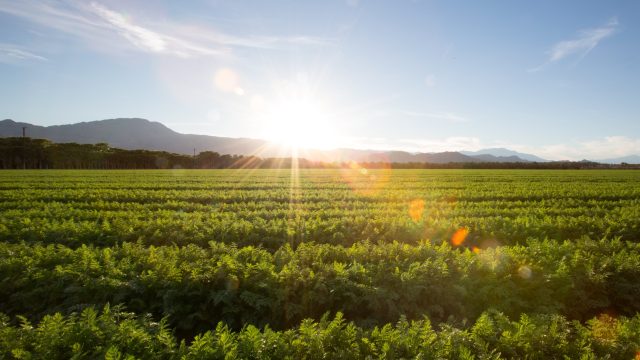
(Beyond Pesticides, June 3, 2026) A study, published in PeerJ today, by researchers from the University of Wisconsin-Madison in the U.S. and the University of Pisa in Italy, finds that the widely used fungicide fludioxonil and its breakdown products, including a ‘forever chemical’ per- and poly-fluoroalkyl substance (PFAS), threaten environmental and human health. Through a review of scientific literature (from 2021-2025) of the ecological and health effects of fludioxonil, the authors find evidence of this chemical’s mechanisms of toxicity, including oxidative stress, that are enhanced as it degrades in the environment. Oxidative stress occurs when there is a disruption of normal cell-signaling and molecular damage, leading to an imbalance of reactive oxygen species (ROS) and free radicals (unstable oxygen molecules) that the body is unable to detoxify. In particular, sunlight exposure causes fludioxonil to break down into a PFAS that is linked to adverse health implications for the environment, wildlife, and humans.
One of the authors, Warren Porter, PhD, is a board member for Beyond Pesticides and presented at the 2021 National Pesticide Forum. Dr. Porter is an emeritus Professor of Integrative Biology and an Ardath and Robert Rodale Professor of Environmental Toxicology, with previous research showing that combinations of commonly used agricultural chemicals in concentrations that mirror levels found in groundwater can significantly influence immune, endocrine, and neurological health in animals. His research also links pesticide exposure in utero to impaired learning, changes in brain function, and altered thyroid levels.
Importance and Background
Fludioxonil, originally developed by Ciba-Geigy (now Syngenta) in 1993, was created as a preservative and anti-fungal coating for seed storage before being registered as a multi-use fungicide. The original data indicated that fludioxonil “functioned by acting directly upon a single enzyme, a kinase that was unique to specific species of fungi,” which suggested that the compound would not harm nontarget organisms. Fludioxonil was also described as being “resistant to UV photolysis/hydrolysis [degradation pathways using sunlight] and free from concerns regarding toxic synergy with other pesticides,” which led to an increase in usage for a myriad of applications.
In the U.S. alone, fludioxonil is registered for use on over 900 different types of plants, including a wide array of field and vegetable crops, fruit trees, berries, herbs, and grasses. This compound can be used for large-scale applications with sprayers on crops to prevent fungal infections during growth, as well as in post-harvest applications to prevent mold in transport. One study finds that fludioxonil is among the seven pesticides most likely to reach consumers through residues in food, while additional research shows this fungicide is frequently found in imported produce at levels that surpass regulatory limits.
“The highly hydrophobic fungicide is particularly difficult to wash off of produce, ensuring that a substantial percentage of the fungicide used in treatment remains on food at time of consumption,” the review authors state. As they point out, even though fludioxonil is often added to produce after it has been boxed for shipment, it is not considered a food additive by the U.S. Food and Drug Administration (FDA) and is only regulated through the U.S. Environmental Protection Agency (EPA). EPA, however, “does not distinguish this form of concentrated application from pesticides that may take days or even weeks to be degraded in the field, detoxified or leached from the surface of produce by natural actions of sunlight, wind, rain and metabolism by microorganisms,” leaving high levels of this pesticide on products that are directly ingested by consumers.
Methodology and Results
In this review, the researchers analyze evidence that fludioxonil poses a threat to both ecosystems and human health within scientific literature. The results reveal that the mechanism of toxicity that causes adverse effects is based on the fungicide’s ability to induce oxidative stress by exhausting levels of glutathione (GSH).
Through the research available in peer-reviewed articles, patents, and policy documents, among others, fludioxonil is shown to disrupt GSH homeostasis, which serves to buffer against oxidative stress. “Glutathione depletion via fludioxonil may thus comprise a key mechanism for its toxicity in living organisms,” the authors explain.
They continue: “It should be emphasized here that the biological functions of GSH are critically important as this tripeptide serves as the master antioxidant in animals, plants and fungi, protecting them from oxidative damage derived from stress, pollution and disease.” (See research here and here.)
This process is particularly driven by a breakdown product of fludioxonil that is formed under the UV radiation present in sunlight. As the researchers share, “Of note, while the toxicity of many pesticides is reduced by environmental forces such as the UV rays in sunlight, fludioxonil seems to behave in the opposite manner.” (See here.) The breakdown products generated after exposure to sunlight are “approximately 100-fold more toxic than the parent compound,” highlighting the additional concerns as pesticide active ingredients degrade in the environment.
Previous Research
A 2018 survey by the Environmental Working Group of pesticide levels in common brands of baby food finds that the levels of fludioxonil significantly exceed the Maximum Residue Level (MRL) established by EPA. A repeat of the study in 2023 again finds fludioxonil, and other pesticides, present in multiple baby food samples. (See Daily News here.) Additional studies cited within the review find that nontarget organisms are also at risk, including aquatic organisms, phytoplankton, plants, bacteria, benthic macroinvertebrates, amphibians, honey bees, terrestrial earthworms and nematodes, and large mammals, including humans.
A Daily News post, entitled Widely Used Fungicide Found to Adversely Affect Enzyme Common to All Cells, documents how a study in Scientific Reports, with research led by Tristan Brandhorst, PhD (an author on the current study), sheds light on a mechanism of toxicity for fludioxonil as it acts on a sugar-metabolizing enzyme common to all cells. This mechanism threatens all organisms, proving the initial claims that fludioxonil acts solely on specific species of fungi incorrect. Additional research by Dr. Brandhorst suggests that fludioxonil also decreases the human body’s ability to defend itself against illnesses, like COVID-19, and promotes disease permanency. This lack of bodily defense against disease is linked to the pesticide-induced reduction in the antioxidant GSH, further supported by the current review.
Although previous studies report that fludioxonil disrupts hepatic (liver), endocrine, and neurological systems, the mode of action by which this fungicide causes these issues only recently came to light. According to research by Dr. Brandhorst, fludioxonil may impede the antioxidant GSH from protecting the body from illnesses while prompting disease endurance, as GSH is a natural antioxidant important in blood pressure and glucose regulation, preventing the formation of free radicals which damage cells in hypertension and diabetes mellitus. However, the endocrine disruption properties of fludioxonil can cause intracellular GSH deficiency, resulting in oxidative stress that influences the development of diseases, including Alzheimer’s disease, liver disease, cancer, diabetes, and more. A decrease in GSH biosynthesis and/or an increase in depletion of the intracellular GSH pool can impair oxidation-reduction homeostasis and promote oxidative stress that may account for individual susceptibility to a disease like COVID-19. (See Daily News here, as well as additional coverage on fludioxonil here.)
The Path Forward
Removing all petrochemical pesticides and synthetic fertilizers will protect the environment, all wildlife, and human health. Having fungicides like fludioxonil on crops, during and after harvest, leads to deleterious impacts on the soil, ecosystems, and all organisms, with heightened risks associated with PFAS breakdown products when fludioxonil is degraded by sunlight. The health and environmental threats associated with this fungicide, as well as all other pesticide active ingredients, are far beyond the “unreasonable adverse effects” as outlined by the Federal Insecticide, Fungicide, and Rodenticide Act (FIFRA).
Food choices have a direct effect on the health of the environment and those who grow and harvest what consumers eat. That’s why food labeled “organic” is the right choice. In addition to serious health questions linked to actual residues of toxic pesticides on the food we eat, our food buying decisions support or reject hazardous agricultural practices, protection of farmworkers and farm families, and stewardship of the earth.
It is important to eat organic food—nurtured in a system of food production, handling, and certification that rejects hazardous synthetic chemicals. USDA organic certification is the only system of food labeling that is subject to independent public review and oversight, assuring consumers that toxic, synthetic pesticides used in conventional agriculture are replaced by management practices focused on soil biology, biodiversity, and plant health. This eliminates commonly used toxic chemicals in the production and processing of food that is not labeled organic—pesticides that contaminate water and air, hurt biodiversity, harm farmworkers, and kill bees, birds, fish, and other wildlife.
Adopting a fully organic diet can also reduce pesticide levels within the body, as well as facilitate faster DNA damage repair, according to findings from a randomized clinical trial published in Nutrire. (See Study Demonstrates Health Benefits of Organic Diet Over That Consumed with Toxic Pesticides for more information.) Learn about additional health and environmental benefits of organic practices here and here, as well as how to Grow Your Own Organic Food.
All unattributed positions and opinions in this piece are those of Beyond Pesticides.
Source:
Roelans, L., Brandhorst, T, Tonelli, M., Chiellini, G., and Porter, W. (2026) Breakdown products of the fungicide Fludioxonil may account for observed environmental impact: potential implications for human health, PeerJ. Available at: https://peerj.com/articles/21290/.