



.png)
Gateway on Pesticide Hazards and Safe Pest Management
How To Find Ingredients in Pesticide Products
Beyond Pesticides offers resources below to evaluate the health and ecological effects of specific chemical exposure from ACTIVE INGREDIENTS in pesticide products, as well as regulatory information and supporting scientific documents. Because various pesticide products can contain more than one active ingredient, it is important to READ the LABEL to determine chemical components.
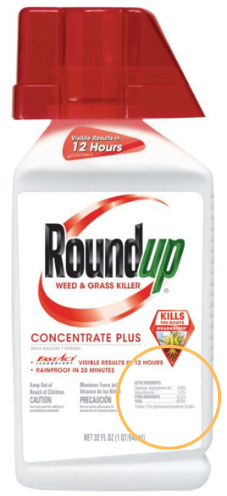
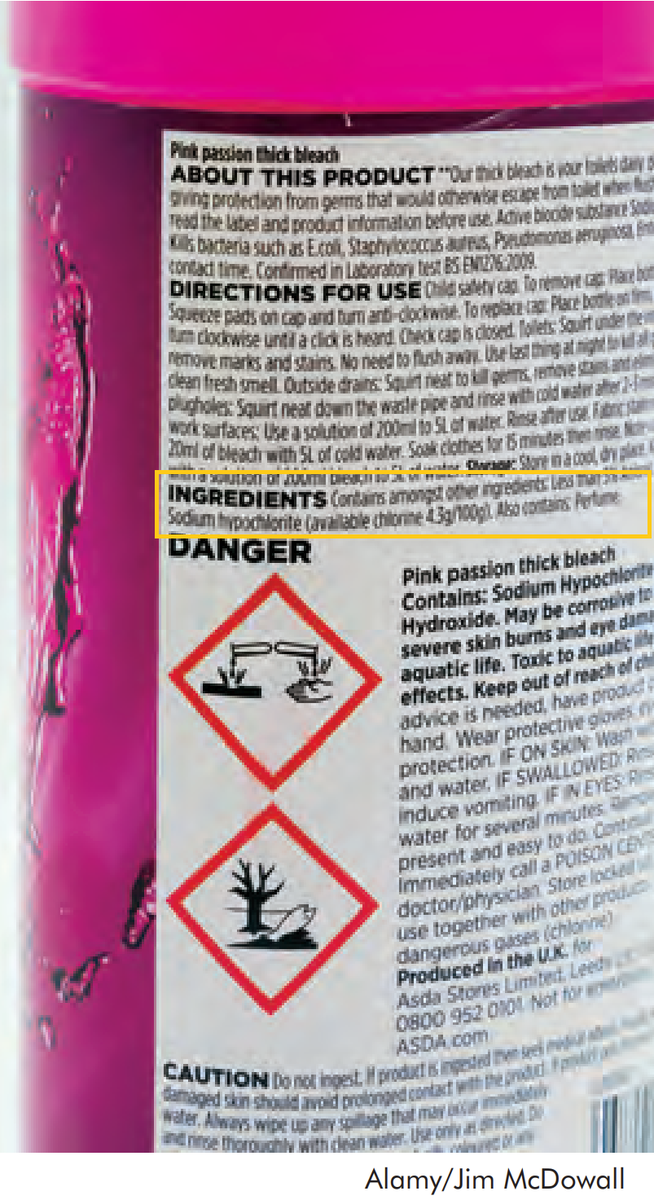

With 192 different active ingredients and counting, it is essential to establish the connection between the use of these chemicals and their respective hazards.
View the step-by-step guide on how to search for the active ingredient(s) in pesticide products below:
- Go to U.S. EPA's Pesticide Product and Label System and enter the product name. The generic product name may vary.
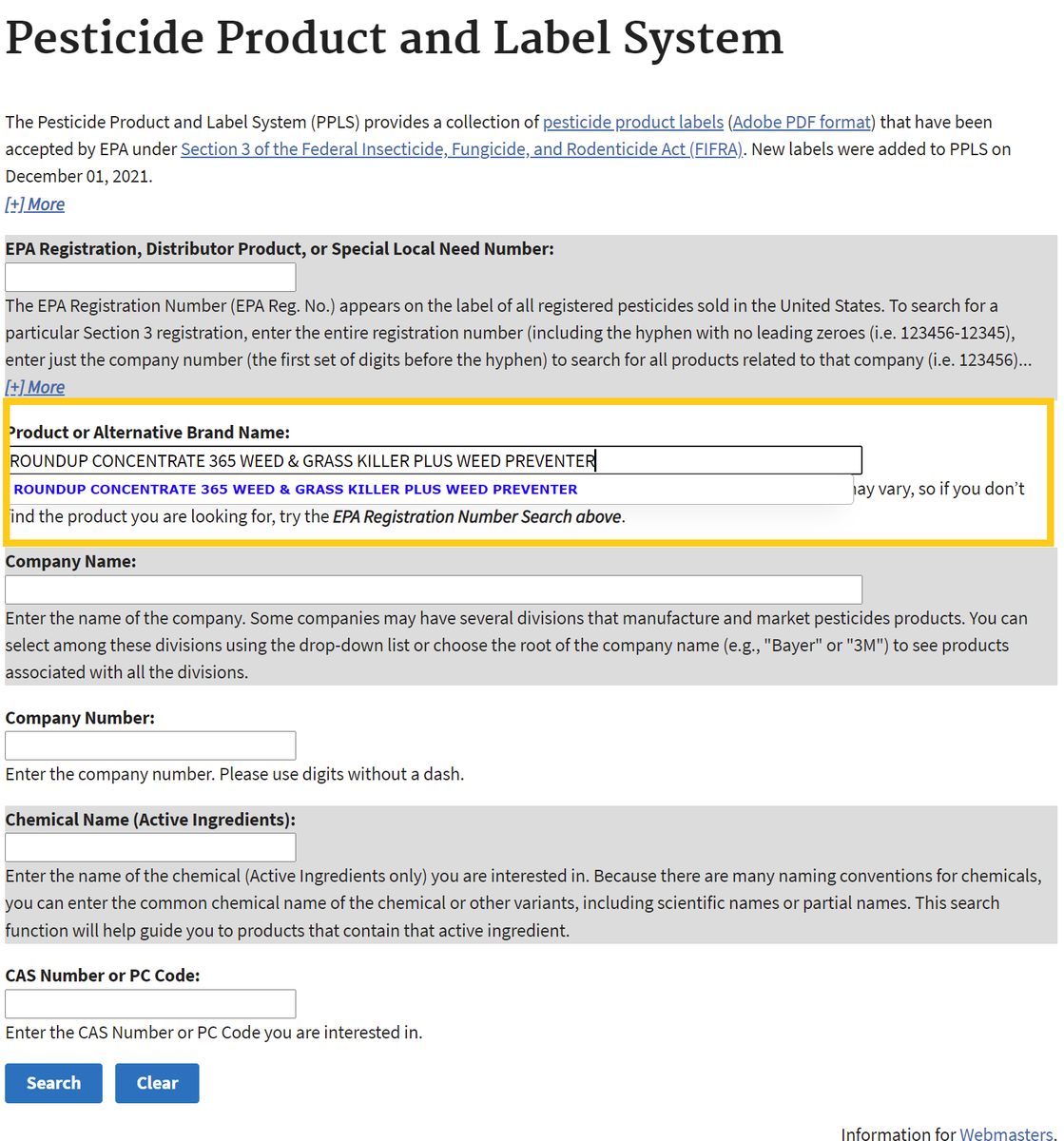
- After searching, click on the chemical ingredients tab or the link for the most recent label to find Active Ingredients.
Chemical List Label List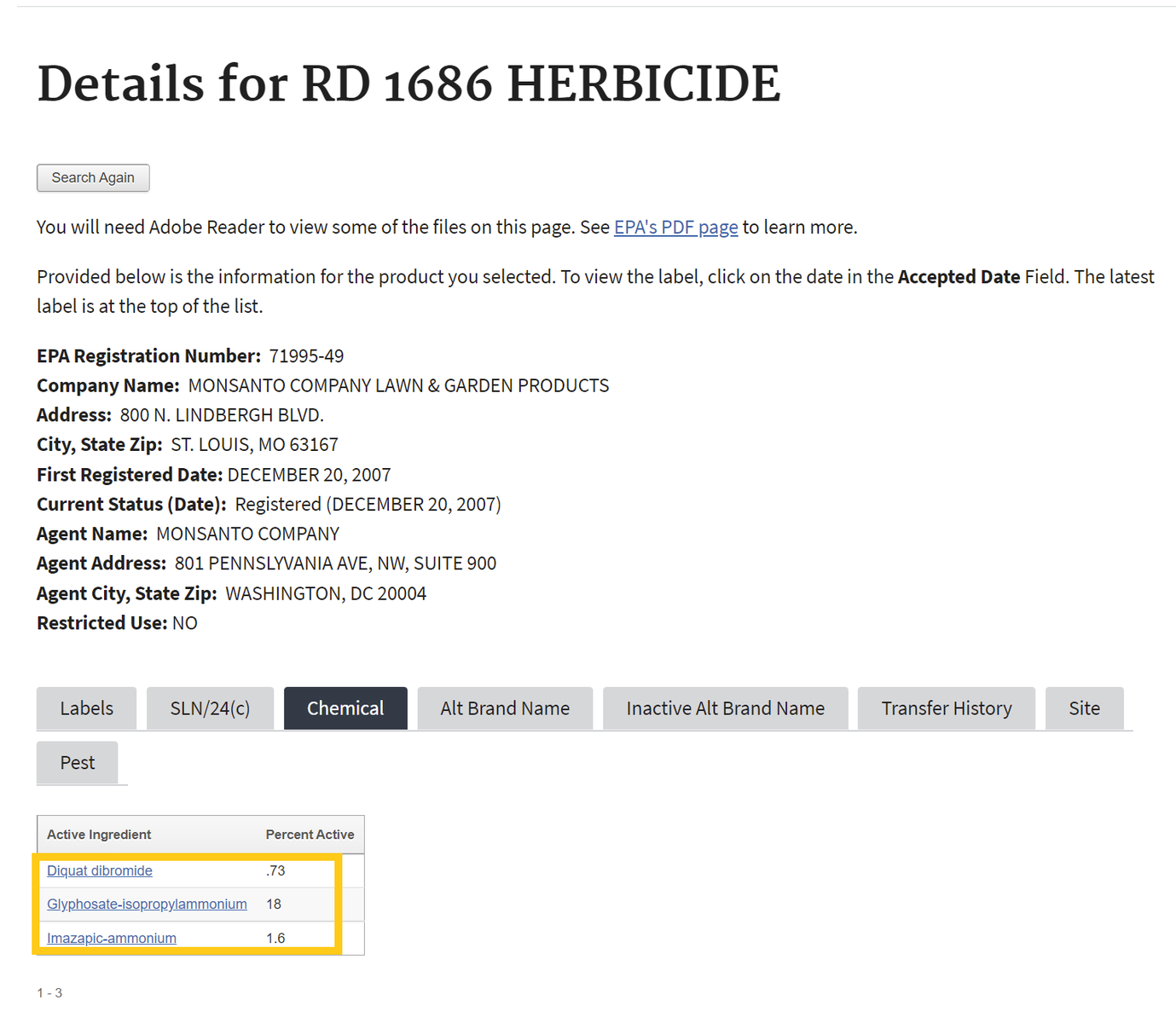
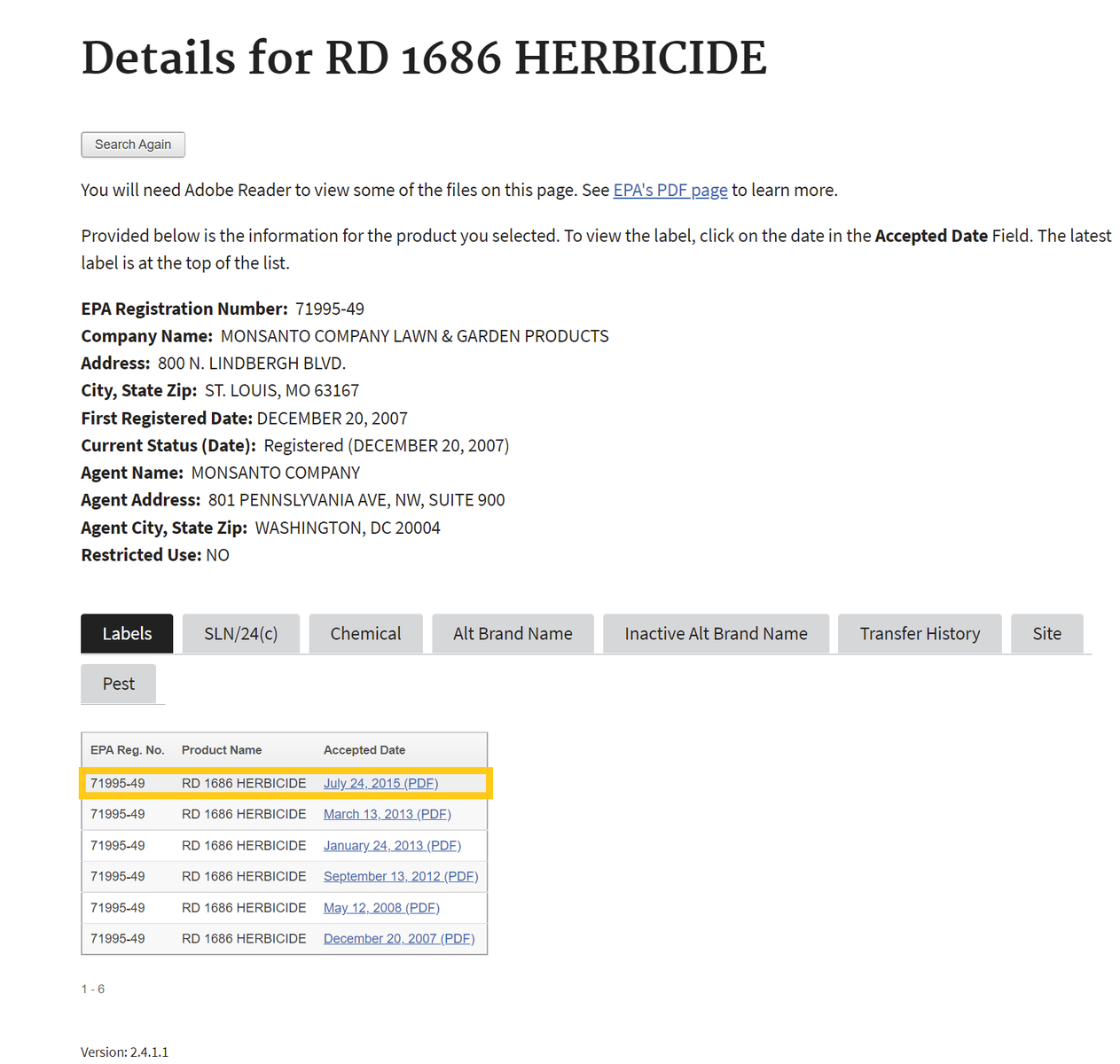
If one selects the chemical ingredients tab, skip to Step 4 . If not, proceed to step number 3 - To find the active ingredient(s) on the label, search for the page in the document containing the date of registration. Usually, the active ingredients section occurs within the first few pages of the label document.
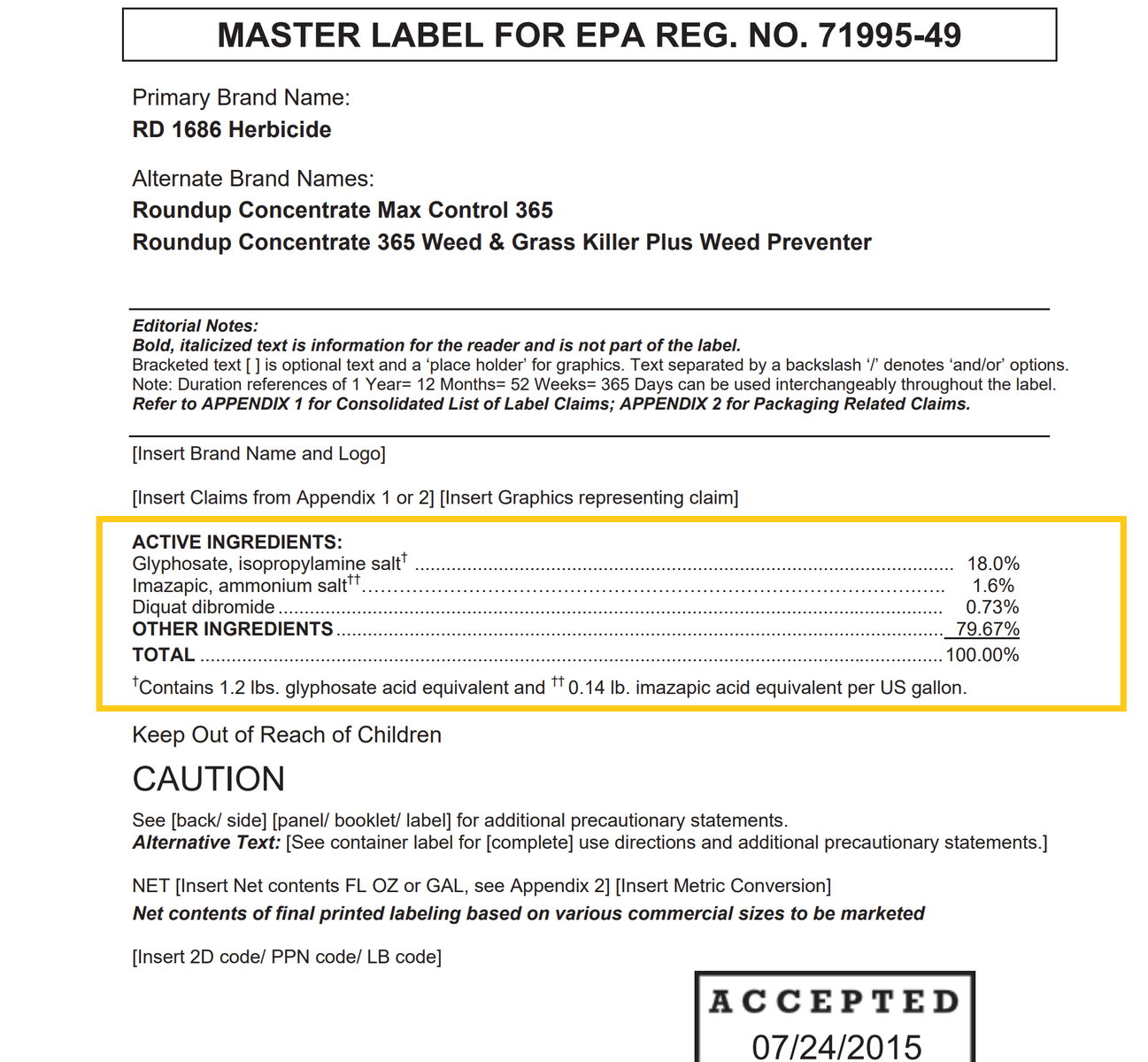
- Return to the Beyond Pesticides Gateway and search for the active ingredient name in the yellow box to the right or from the list below.
Fludioxonil
General Information
- Product Names:
- Chemical Class: Unclassified
- Uses: Fungicide
- Alternatives: Organic agriculture
- Beyond Pesticides rating: Toxic
Health and Environmental Effects
- Cancer: Possible (1, 2)
- Endocrine Disruption: Likely (1, 3)
- Reproductive Effects: Possible (3)
- Neurotoxicity: Possible (4, 5)
- Kidney/Liver Damage: Yes (6)
- Sensitizer/ Irritant: Yes (6)
- Birth/Developmental: Possible (7, 8)
- Detected in Groundwater: Possible (9)
- Potential Leacher: Low (6)
- Toxic to Birds: Possible (10)
- Toxic to Fish/Aquatic Organisms: Yes (6)
- Toxic to Bees: Yes (6)
Additional Information
- Supporting information:
- PAN Pesticides Database:Fludioxonil (Pesticide Action Network)
- Studies [compiled from the Pesticide-Induced Diseases Database]
- Effect of nonpersistent pesticides on estrogen receptor, androgen receptor, and aryl hydrocarbon receptor.. Medjakovic S, Zoechling A, Gerster P, et al. 2014. Environ Toxicol. 29(10):1201-16
- A Th2-type immune response and low-grade systemic inflammatory reaction as potential immunotoxic effects in intensive agriculture farmers exposed to pesticides . Lozano-Paniagua, D. et al. (2024) ‘A th2-type immune response and low-grade systemic inflammatory reaction as potential immunotoxic effects in intensive agriculture farmers exposed to pesticides’, Science of The Total Environment, 938, p. 173545. doi:10.1016/j.scitotenv.2024.173545.
- Toxic and Behavioral Effects to Carabidae of Seed Treatments Used on Cry3Bb1- and Cry1Ab/c-Protected Corn. Christopher A. Mullin, Michael C. Saunders, Timothy W. Leslie, David J. Biddinger, Shelby J. Fleischer, Toxic and Behavioral Effects to Carabidae of Seed Treatments Used on Cry3Bb1- and Cry1Ab/c-Protected Corn, Environmental Entomology, Volume 34, Issue 6, 1 December 2005, Pages 1626–1636, https://doi.org/10.1603/0046-225X-34.6.1626
- A cumulative dietary pesticide exposure score based on produce consumption is associated with urinary pesticide biomarkers in a U.S. biomonitoring cohort. Temkin, A. et al. (2025) A cumulative dietary pesticide exposure score based on produce consumption is associated with urinary pesticide biomarkers in a U.S. biomonitoring cohort, International Journal of Hygiene and Environmental Health. Available at: https://www.sciencedirect.com/science/article/pii/S1438463925001361.
- High temporal resolution pollen analysis: New insights into current-use pesticides distribution in agricultural landscapes. Cirelli, S. et al. (2026) High temporal resolution pollen analysis: New insights into current-use pesticides distribution in agricultural landscapes, Environmental Pollution. Available at: https://www.sciencedirect.com/science/article/pii/S0269749126007189.
Gateway Health and Environmental Effects Citations
1. Teng, Y., Manavalan, T.T., Hu, C., Medjakovic, S., Jungbauer, A. and Klinge, C.M., 2013. Endocrine disruptors fludioxonil and fenhexamid stimulate miR-21 expression in breast cancer cells. Toxicological sciences, 131(1), pp.71-83. https://doi.org/10.1093/toxsci/kfs290
2. Go, R.E., Kim, C.W., Jeon, S.Y., Byun, Y.S., Jeung, E.B., Nam, K.H. and Choi, K.C., 2017. Fludioxonil induced the cancer growth and metastasis via altering epithelial–mesenchymal transition via an estrogen receptor‐dependent pathway in cellular and xenografted breast cancer models. Environmental Toxicology, 32(4), pp.1439-1454. https://doi.org/10.1002/tox.22337
3. Orton, F., Rosivatz, E., Scholze, M. and Kortenkamp, A., 2011. Widely used pesticides with previously unknown endocrine activity revealed as in vitro antiandrogens. Environmental health perspectives, 119(6), pp.794-800. https://doi.org/10.1289/ehp.1002895
4. Brandhorst, T.T. and Klein, B.S., 2019. Uncertainty surrounding the mechanism and safety of the post-harvest fungicide fludioxonil. Food and Chemical Toxicology, 123, pp.561-565. https://doi.org/10.1016/j.fct.2018.11.037
5. Coleman, M.D., O'Neil, J.D., Woehrling, E.K., Ndunge, O.B.A., Hill, E.J., Menache, A. and Reiss, C.J., 2012. A preliminary investigation into the impact of a pesticide combination on human neuronal and glial cell lines in vitro. PloS one, 7(8), p.e42768. https://doi.org/10.1371/journal.pone.0042768
6. IUPAC Agrochemical Information. http://sitem.herts.ac.uk/aeru/iupac/
7. Ko, E.B., Hwang, K.A. and Choi, K.C., 2019. Effects of fludioxonil on cardiac differentiation of mouse embryonic stem cells. In 21st European Congress of Endocrinology (Vol. 63). BioScientifica.
8. US EPA, 2015. Fludioxonil; Pesticide Tolerances. Federal Register. https://www.federalregister.gov/documents/2015/08/14/2015-20019/fludioxonil-pesticide-tolerances
9. Fenoll, J., Ruiz, E., Hellín, P., Flores, P. and Navarro, S., 2011. Heterogeneous photocatalytic oxidation of cyprodinil and fludioxonil in leaching water under solar irradiation. Chemosphere, 85(8), pp.1262-1268. https://doi.org/10.1016/j.chemosphere.2011.07.022
10. Lopez‐Antia, A., Feliu, J., Camarero, P.R., Ortiz‐Santaliestra, M.E. and Mateo, R., 2016. Risk assessment of pesticide seed treatment for farmland birds using refined field data. Journal of Applied Ecology, 53(5), pp.1373-1381. https://doi.org/10.1111/1365-2664.12668