




Eating with a Conscience
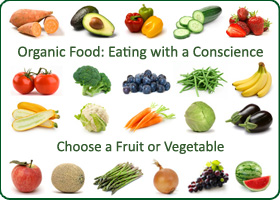 Choosing organic food to protect health and the environment
Our food choices have a direct effect on the health of our environment and those who grow and harvest what we eat. That’s why food labeled "organic" is the right choice. In addition to serious health questions linked to actual residues of toxic pesticides on the food we eat, our food buying decisions support or reject hazardous agricultural practices, protection of farmworkers and farm families, and stewardship of the earth.
The Organic Choice is Clear
It is important to eat organic food—nurtured in a system of food production, handling and certification that rejects hazardous synthetic chemicals. USDA organic certification is the only system of food labeling that is subject to independent public review and oversight, assuring consumers that toxic, synthetic pesticides used in conventional agriculture are replaced by management practices focused on soil biology, biodiversity, and plant health. This eliminates commonly used toxic chemicals in the production and processing of food that is not labeled organic--pesticides that contaminate our water and air, hurt biodiversity, harm farmworkers, and kill bees, birds, fish and other wildlife.
Food Choices Based Only on Pesticide Residues Fall Short
To help explain the urgent need for a major shift to organic food consumption, Beyond Pesticides has begun the Eating with a Conscience database which evaluates the impacts on the environment and farmworkers of the toxic chemicals allowed for use on major food crops, grown domestically and internationally. We have started with those foods that have been identified widely in the media as “clean.” While the Clean 15 and Dirty Dozen lists generated by Environmental Working Group is helpful in alerting consumers to hazardous residues on food, food residues are only part of the story. It turns out that those very same “clean” food commodities may be grown with hazardous pesticides that get into waterways and groundwater, contaminate nearby communities, poison farmworkers, and kill wildlife, while not all showing up at detectable levels on our food.
Choosing Organic: For you, the environment, and workers
Eating with a Conscience looks at the toxic chemicals that are allowed in the production of the food we eat and the environmental and public health effects resulting from their use.
For more information, read the Eating with a Conscience press release or download the print brochure.