




Disinfectants, Sanitizers, and Antimicrobials

Disinfectants and Sanitizers
We have learned through the COVID-19 crisis that there are people who are more vulnerable to the effects of the virus. These are generally people who have a pre-existing condition or are of advanced age, who may have a weakened immune or respiratory system. With the management of viral and bacterial infections, it is always important that we do not exacerbate the risk to individuals in the process of avoiding or controlling the threat. In the case of COVID-19, we have measures of protection—both practices and products—that can protect us without using toxic products that increase risk factors.
Join the Fight to Ban Triclosan!
Beyond Pesticides is leading a campaign to ban the nonmedical uses of one of the most prevalent and dangerous antibacterial chemicals on the market: triclosan. Triclosan has been linked to numerous health and environmental impacts, such as antibacterial resistance, endocrine disruption, and the contamination of fish, and surface and drinking waters. Find out more about triclosan and how you can protect yourself and your family by visiting the triclosan page.
What are antimicrobials?
Antimicrobials are natural or synthetic substances that kill or inhibit the growth of microorganisms, such as bacteria, viruses, or fungi. This capability makes antimicrobials unique for the control of deadly infectious diseases caused by a broad variety of pathogenic bacteria.
There are more than 15 different classes of known antimicrobials that differ in chemical structure and mechanism of action. Historically, they have been used in medical settings to combat infectious diseases. However, over the last 20 years, they have been used increasingly in cosmetics and personal care products, in food processing, on inanimate objects, in clothing, and for the treatment of bacterial disease in animals, fish, and plants.
Antimicrobials are pesticides and must be regulated as such with the U.S. Environmental Protection Agency (EPA) in accordance with the Federal Insecticides, Fungicide, and Rodenticide Act (FIFRA). There are more than 5,000 antimicrobial pesticides registered with the EPA. When used in or on the human body, however, antimicrobials are regulated by the Food and Drug Administration (FDA).
Antibacterials
Even though "antimicrobial" and "antibacterial" are often used interchangeably, there are many antimicrobial substances on the market designed to work specifically against bacteria. These are known as antibacterials.
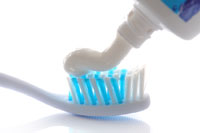 Triclosan: One very controversial antibacterial is triclosan — a broad-spectrum pesticide found in a wide range of consumer products, including soaps and toys. Despite its widespread use, its health and environmental impacts are only now being studied. Triclosan is the focus of a campaign, undertaken by a coalition of health and environmental groups led by Beyond Pesticides, aimed at removing triclosan from the market.
Nanosilver: Another antibacterial agent under scrutiny is nanosilver, or silver nanoparticles, which are found in more than 400 consumer products, and because there are no labeling requirements for nano-scale products, many more likely exist. Nanomaterials can be incorporated into any consumer product, except those approved for food-contact uses, including toys, clothing, yoga mats, shoes, kitchen appliances and housewares, building materials, HVAC systems, bathroom fixtures and accessories, combs, brushes, offices supplies, and many more.
With an increasing number of scientific studies looking at these antibacterial substances, two basic, yet important, questions arise: Are they safe for human health and the environment? And are they necessary?
We have learned through the COVID-19 crisis that there are people who are more vulnerable to the effects of the virus. These are generally people who have a pre-existing condition or are of advanced age, who may have a weakened immune or respiratory system. With the management of viral and bacterial infections, it is always important that we do not exacerbate the risk to individuals in the process of avoiding or controlling the threat. In the case of COVID-19, we have measures of protection—both practices and products—that can protect us without using toxic products that increase risk factors.