



.png)
Gateway on Pesticide Hazards and Safe Pest Management
How To Find Ingredients in Pesticide Products
Beyond Pesticides offers resources below to evaluate the health and ecological effects of specific chemical exposure from ACTIVE INGREDIENTS in pesticide products, as well as regulatory information and supporting scientific documents. Because various pesticide products can contain more than one active ingredient, it is important to READ the LABEL to determine chemical components.
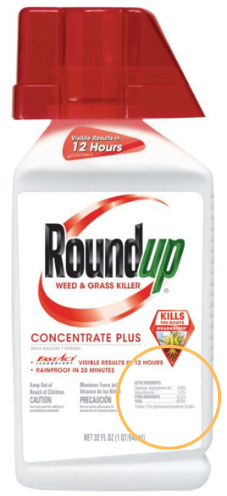
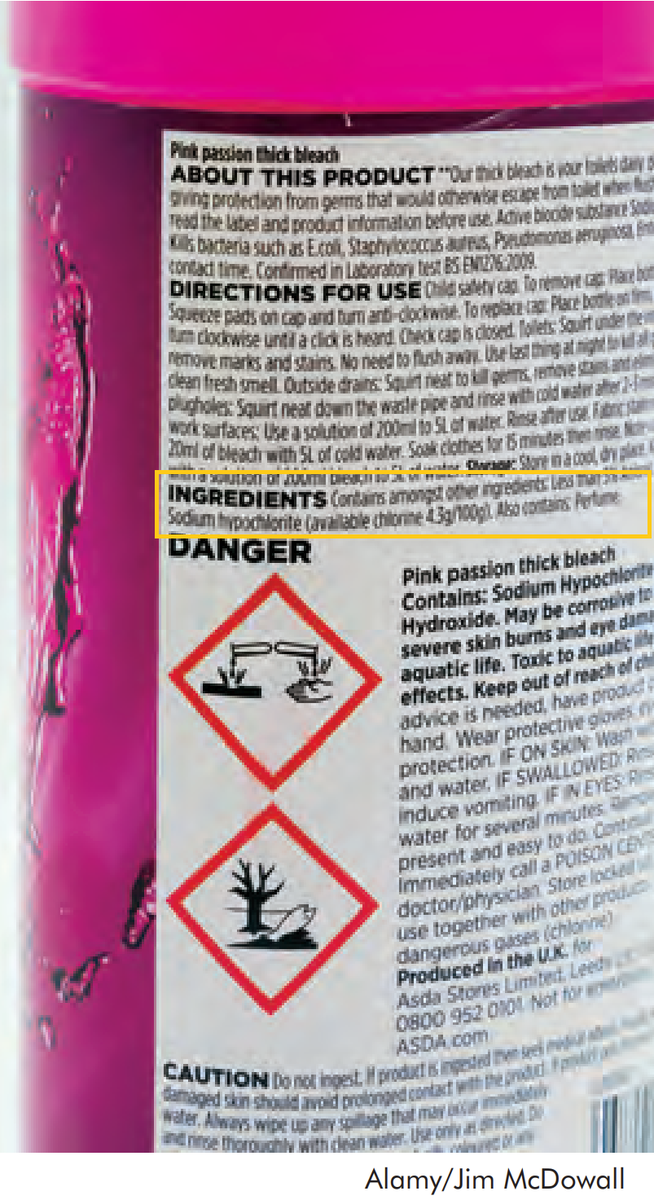

With 192 different active ingredients and counting, it is essential to establish the connection between the use of these chemicals and their respective hazards.
View the step-by-step guide on how to search for the active ingredient(s) in pesticide products below:
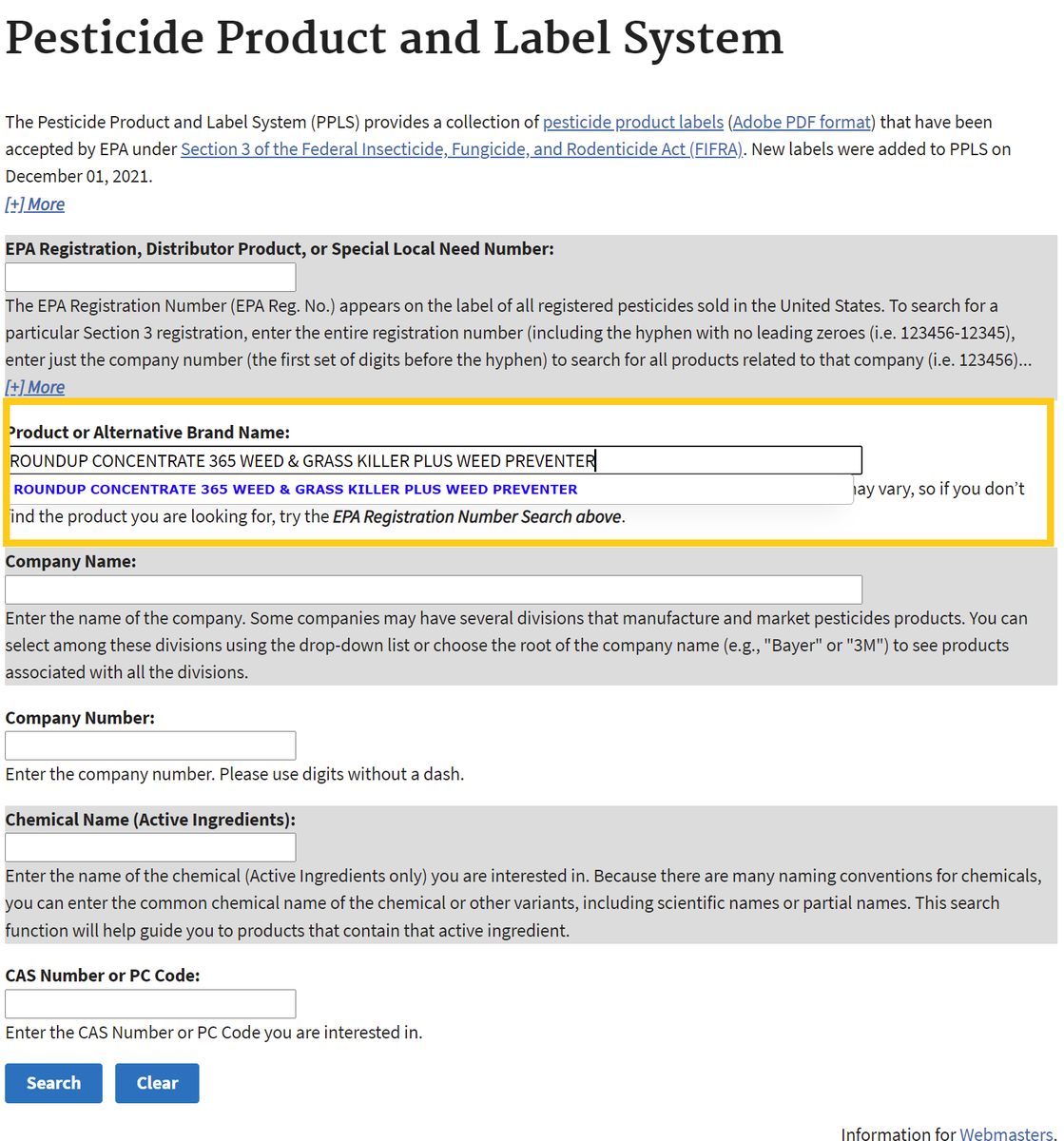
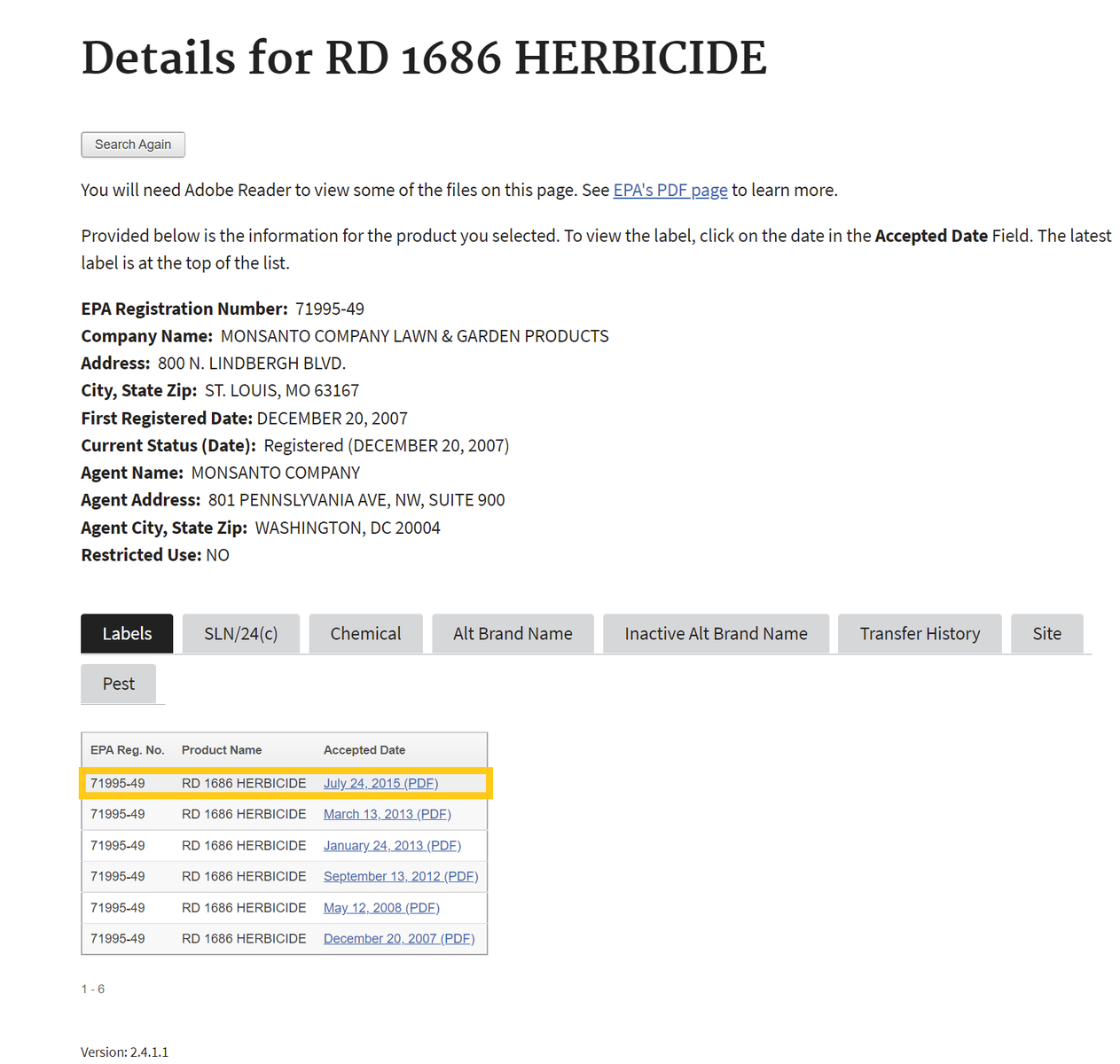
- Go to U.S. EPA's Pesticide Product and Label System and enter the product name. The generic product name may vary.

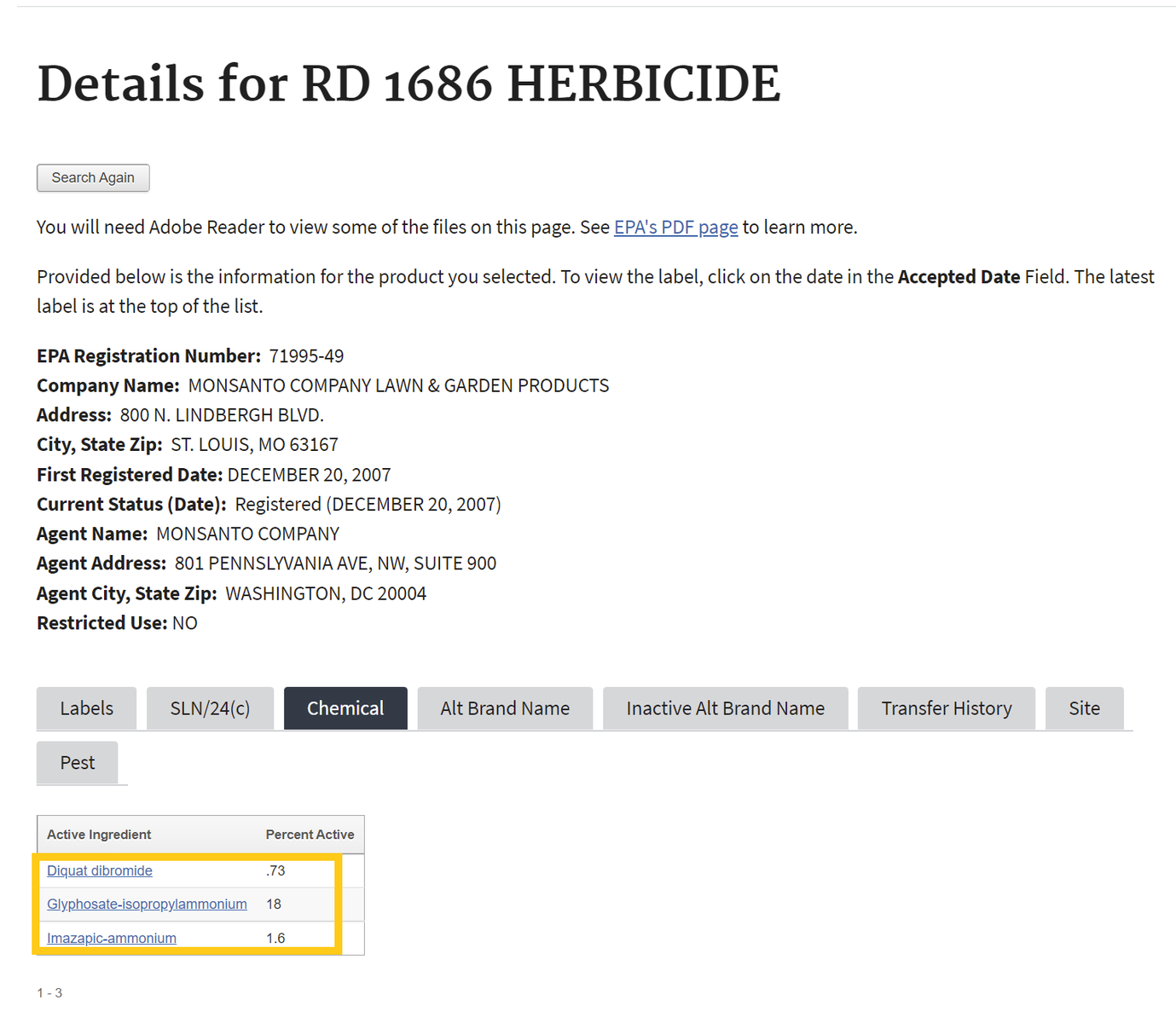
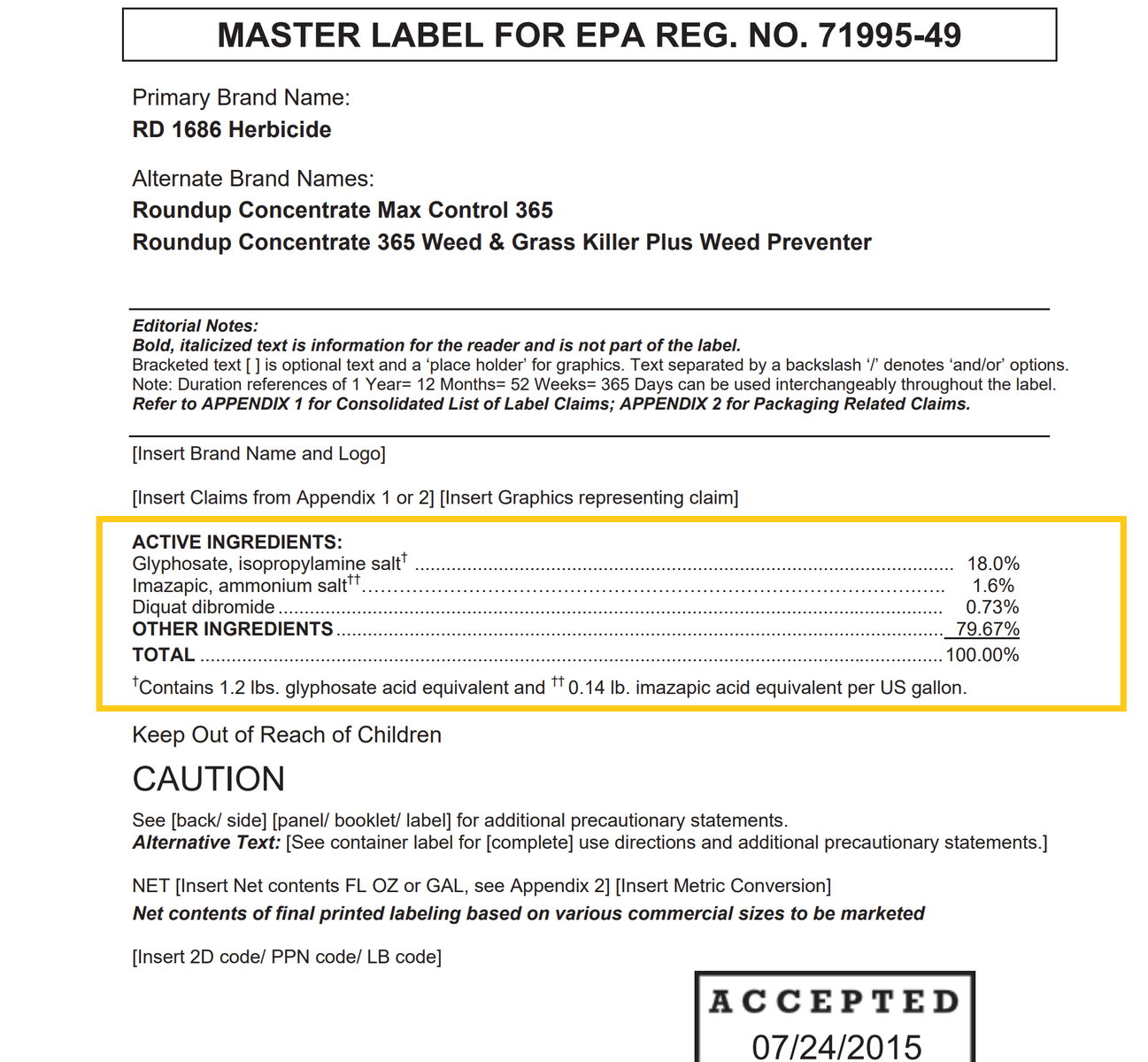
- After searching, click on the chemical ingredients tab or the link for the most recent label to find Active Ingredients.
Chemical List Label List

If one selects the chemical ingredients tab, skip to Step 4 . If not, proceed to step number 3 - To find the active ingredient(s) on the label, search for the page in the document containing the date of registration. Usually, the active ingredients section occurs within the first few pages of the label document.

- Return to the Beyond Pesticides Gateway and search for the active ingredient name in the yellow box to the right or from the list below.
Glyphosate
Updated April 2020
General Information
- Fact Sheet: bp-fact-glyosphate.082017.pdf
- Product Names:
- Chemical Class: Phosphanoglycine herbicide
- Uses: Non selective herbicide, or at low rates a plant growth regulator
- Alternatives: Organic agriculture, Organic land managment
- Beyond Pesticides rating: Toxic
Health and Environmental Effects
- Cancer: Yes (3, 6, 70)
- Endocrine Disruption: Yes (7)
- Reproductive Effects: Yes (13, 8)
- Neurotoxicity: Yes (74)
- Kidney/Liver Damage: Yes (7)
- Sensitizer/ Irritant: Yes (8)
- Birth/Developmental: Yes (75)
- Detected in Groundwater: Yes (78)
- Potential Leacher: Not documented
- Toxic to Birds: Yes (73)
- Toxic to Fish/Aquatic Organisms: Yes (4)
- Toxic to Bees: Yes (76, 77)
Residential Uses as Found in the ManageSafe™ Database
Additional Information
- Regulatory Status:
- Beyond Pesticides' Draft Human Health and Ecological Risk Assessments for Glyphosate comments (04/2018)
- Draft Human Health and Ecological Risk Assessments for Glyphosate (2017)
- Revised Glyphosate Issue Paper: Evaluation of Carcinogenic Potential (2017)
- Beyond Pesticides' Evaluation of the Carcinogenic Potential comments (10/2016)
- Glyphosate Listed Effective July 7, 2017, as Known to the State of California to Cause Cancer (OEHHA, 2017)
- Beyond Pesticides' Notice of Intent to List (California) comments (10/2015)
- Beyond Pesticides' Enlist Duo registration comments (12/2016)
- EPA Meeting Materials for the December 13-16, 2016 Scientific Advisory Panel on the Carcinogenic Potential of Glyphosate.
- Registration of Enlist Duo (EPA, 2014)
- FInal work plan for Glyphosate Registration review (2009)
- EPA Reregistration Eligibility Decision (RED) signed (9/1993)
- Supporting information:
- Daily News Blog
- Report- Glyphosate: Unsafe on Any Plate
- Beyond Pesticides' letter to EPA calling for residue testing (12/2015)
- Agricultural Uses of Antibiotics Escalate Bacterial Resistance (Pesticides and You, Winter 2016-2017)
- Asthma, Children and Pesticides (Beyond Pesticides)
- Children & Lawn Chemicals Don't Mix (Beyond Pesticides)
- GMO Factsheet (Beyond Pesticides)
- NCAP Glyphosate Factsheet (Northwest Coalition for Alternatives to Pesticides)
- PAN Pesticides Database:Glyphosate (Pesticide Action Network)
- Scorecard Glyphosate Factsheet (Environmental Defense Fund)
- PAN UK Glyphosate Factsheet (Pesticide Action Network UK)
- CHEJ Glyphosate Factsheet (Children's Health Environmental Coalition)
- EPA Technical Factsheet
- Studies:
- Exposure to Glyphosate-Based Herbicides and Risk for Non-Hodgkin Lymphoma: A Meta-Analysis and Supporting Evidence. Zhang, L., Rana, I., Taioli, E., Shaffer, R.M. and Sheppard, L., 2019. Mutation Research/Reviews in Mutation Research.
- Multiomics reveal non-alcoholic fatty liver disease in rats following chronic exposure to an ultra-low dose of Roundup herbicide. Mesnage, R, Renney, G, Seralini, GE, et al. 2017. Scientific Reports 7, Article number: 39328
- Glyphosate pathways to modern diseases V: Amino acid analogue of glycine in diverse proteins. Samsel, A, Seneff, S. 2016. J Biological Physics and Chemistry.16:9-46
- IARC Classification of Glyphosate as a "probable" carcinogen (2015).
Read the Daily News Blog - Transcriptome profile analysis reflects rat liver and kidney damage following chronic ultra-low dose Roundup exposure. Mesnage, R, Arno, M, Contanzo, M et al., 2015. Environmental Health 14:70.
- Glyphosate Formulations Induce Apoptosis and Necrosis in Human Umbilical, Embryonic, and Placental Cells. Benachour, et al. 2009. Chem. Res. Toxicol. 22 (1), pp 97–105.
- Do Pesticides Affect Learning Behavior? The neuro-endocrine-immune connection. Porter, Warren. 2004. Pesticides and You (Beyond Pesticides)
- A Case–Control Study of Non-Hodgkin Lymphoma and Exposure to Pesticides Journal of the American Cancer Society, 1999.
- Glyphosate formulations induce apoptosis and necrosis in human umbilical, embryonic, and placental cells. Benachour N, Séralini GE. Chemical Research in Toxicology. 2009 Jan;22(1):97-105
- Top 15 Farmworker Poison
- A comparison of temporal trends in United States autism prevalence to trends in suspected environmental factors.. Nevison, CD. 2014. Environ Health.13:73.
- An assessment of the acute dietary exposure to glyphosate using deterministic and probabilistic methods.. Stephenson CL, Harris CA, Clarke R. 2018. Food Addit Contam Part A Chem Anal Control Expo Risk Assess. 35(2):258-272
- An exploratory analysis of the effect of pesticide exposure on the risk of spontaneous abortion in an Ontario farm population.. Arbuckle,TE, Lin, Z and Mery, LS. 2001. Environ Health Perspect. 109(8): 851–857.
- Assessment of Glyphosate Induced Epigenetic Transgenerational Inheritance of Pathologies and Sperm Epimutations: Generational Toxicology. Kubsad, D., Nilsson, E.E., King, S.E., Sadler-Riggleman, I., Beck, D. and Skinner, M.K., 2019. Scientific reports, 9(1), pp.1-17.
- Prenatal and infant exposure to ambient pesticides and autism spectrum disorder in children: population based case-control study. von Ehrenstein, et al. 2019. BMJ 2019;364:l962
- Biomonitoring of Danish school children and mothers including biomarkers of PBDE and glyphosate.. Knudsen LE, Hansen PW, Mizrak S, Hansen HK, Mørck TA, et al. 2017. Rev Environ Health. 32(3):279-290
- Birth defects, season of conception, and sex of children born to pesticide applicators living in the Red River Valley of Minnesota, USA.. Garry, V.F. et al. 2002. Environ. Health Persp. 110 (Suppl. 3):441-449
- Characterising glyphosate exposures among amenity horticulturists using multiple spot urine samples.. Connolly A, Basinas I, Jones K, Galea KS, et al. 2018. Int J Hyg Environ Health. 221(7):1012-1022
- Combined effects of repeated administration of Bretmont Wipeout (glyphosate) and Ultrazin (atrazine) on testosterone, oxidative stress and sperm quality of Wistar rats.. Abarikwu SO, Akiri OF, et al. 2015. Toxicol Mech Methods.25(1):70-80.
- Cytotoxicity on human cells of Cry1Ab and Cry1Ac Bt insecticidal toxins alone or with a glyphosate‐based herbicide. . Mesnage, R., Clair, E., Gress, S., Then, C., Székács, A. and Séralini, G.E., 2013. Journal of Applied Toxicology, 33(7), pp.695-699.
- Differential Effects of Glyphosate and Roundup on Human Placental Cells and Aromatase. Richard S., et al. 2005. Environmental Health Perspectives, 113(6).
- Early-life chemical exposures and risk of metabolic syndrome.. De Long NE, Holloway AC. 2017. Diabetes Metab Syndr Obes. 10:101-109.
- Effects of melatonin in rats in the initial third stage of pregnancy exposed to sub-lethal doses of herbicides.. Almeida LL, Teixeira ÁAC, Soares AF, Cunha FMD, et al. Acta Histochem. 119(3):220-227.
- Environmental and health effects of the herbicide glyphosate.. Van Bruggen AHC, He MM, Shin K, Mai V, Jeong KC, Finckh MR, Morris JG Jr. 2018. Sci Total Environ. 16-617:255-268
- Glyphosate poisoning - a case report. Kunapareddy, T. and Kalisetty, S., 2021. Journal of Postgraduate Medicine.
- Cellular injury leading to oxidative stress in acute poisoning with potassium permanganate/oxalic acid, paraquat, and glyphosate surfactant herbicide. Wijerathna, T.M., Mohamed, F., Gawarammana, I.B., Wunnapuk, K., Dissanayake, D.M., Shihana, F. and Buckley, N.A., 2020. Environmental toxicology and pharmacology, 80, p.103510.
- Evaluation of estrogen receptor alpha activation by glyphosate-based herbicide constituents.. Mesnage R, Phedonos A, Biserni M, et al. 2017. Food Chem Toxicol. 108(Pt A):30-42.
- Exposure to Glyphosate-Based Herbicides and Risk for Non-Hodgkin Lymphoma: A Meta-Analysis and Supporting Evidence. . Zhang, L., Rana, I., Taioli, E., Shaffer, R.M. and Sheppard, L., 2019. Mutation Research/Reviews in Mutation Research.
- Exposure to pesticides as risk factor for non-Hodgkin's lymphoma and hairy cell leukemia: pooled analysis of two Swedish case-control studies.. Hardell, L., et al. 2002. Leuk Lymphoma 43(5):1043-1049
- Facts and Fallacies in the Debate on Glyphosate Toxicity.. Mesnage R, Antoniou MN. 2017. Front Public Health. 5:316
- Glyphosate and adverse pregnancy outcomes, a systematic review of observational studies. de Araujo JS, Delgado IF, Paumgartten FJ. 2016. BMC Public Health. 16:472
- Glyphosate and Paraquat in Maternal and Fetal Serums in Thai Women. Kongtip P, Nankongnab N, Phupancharoensuk R, et al. 2017. J Agromedicine. 22(3):282-289.
- Glyphosate biomonitoring for farmers and their families: results from the Farm Family Exposure Study.. Acquavella, J, F. et al. 2004. Environ Health Perspect; 112(3): 321–326
- Glyphosate exposure exacerbates the dopaminergic neurotoxicity in the mouse brain after repeated administration of MPTP. Pu, Y., Chang, L., Qu, Y., Wang, S., Tan, Y., Wang, X., Zhang, J. and Hashimoto, K., 2020. Neuroscience Letters, p.135032.
- Glyphosate Formulations Induce Apoptosis and Necrosis in Human Umbilical, Embryonic, and Placental Cells. Benachour, N., et al. 2009. Chemical Research in Toxicology, 22(1)
- Glyphosate has limited short-term effects on commensal bacterial community composition in the gut environment due to sufficient aromatic amino acid levels.. Nielsen LN, Roager HM, Casas ME, Frandsen HL, et al. 2018. Environ Pollut. 233:364-376
- Glyphosate impairs male offspring reproductive development by disrupting gonadotropin expression.. Romano MA, Romano RM, Santos LD, et al. 2012. Arch Toxicol. 86(4):663-73
- Glyphosate in German adults - Time trend (2001 to 2015) of human exposure to a widely used herbicide.. Conrad A, Schröter-Kermani C, Hoppe HW, Rüther M, Pieper S, Kolossa-Gehring M. 2017. Int J Hyg Environ Health. 220(1):8-16
- Glyphosate induces human breast cancer cells growth via estrogen receptors.. Thongprakaisang S, Thiantanawat A, Rangkadilok N, et al. 2013. Food Chem Toxicol.59:129-36
- Glyphosate pathways to modern diseases V: Amino acid analogue of glycine in diverse proteins. Samsel, A. and Seneff, S., 2016. J Biol Phys Chem, 16(6), pp.9-46.
- Glyphosate Residues in Groundwater, Drinking Water and Urine of Subsistence Farmers from Intensive Agriculture Localities: A Survey in Hopelchén, Campeche, Mexico. Rendon-von Osten J, Dzul-Caamal R. 2017. Int J Environ Res Public Health. 14(6). pii: E595.
- Glyphosate toxicity and carcinogenicity: a review of the scientific basis of the European Union assessment and its differences with IARC.. Tarazona JV, Court-Marques D, Tiramani M, et al. 2017. Arch Toxicol. 91(8):2723-2743.
- Glyphosate Use and Cancer Incidence in the Agricultural Health Study.. Andreotti G, Koutros S, Hofmann JN, Sandler DP, Lubin JH, et al. 2017. J Natl Cancer Inst. doi: 10.1093/jnci/djx233.
- Glyphosate, pathways to modern diseases II: Celiac sprue and gluten intolerance. Samsel, A. and Seneff, S., 2013. Interdisciplinary toxicology, 6(4), pp.159-184.
- Integrative assessment of multiple pesticides as risk factors for non-Hodgkin's lymphoma among men. De Roos, A.J., et al. 2003. Occupational and Environmental Medicine 60(9):e11
- Is it time to reassess current safety standards for glyphosate-based herbicides?. Vandenberg LN, Blumberg B, Antoniou MN, Benbrook CM, Carroll L, Colborn T, et al. 2017. J Epidemiol Community Health. 71(6):613-618
- Can Glyphosate-Based Herbicides Contribute to Sustainable Agriculture?. Krimsky, S. Sustainability, 13(4), p.2337.
- Classification of the glyphosate target enzyme (5-enolpyruvylshikimate-3-phosphate synthase) for assessing sensitivity of organisms to the herbicide . Leino, L., Tall, T., Helander, M., Saloniemi, I., Saikkonen, K., Ruuskanen, S. and Puigbò, P. Journal of Hazardous Materials, 408, p.124556.
- Indirect Effects of the Herbicide Glyphosate on Plant, Animal and Human Health Through its Effects on Microbial Communities. Van Bruggen, A.H., Finckh, M.R., He, M., Ritsema, C.J., Harkes, P., Knuth, D. and Geissen, V. Frontiers in Environmental Science, 9.
- Pesticides applied to crops and amyotrophic lateral sclerosis risk in the U.S. Andrew, A., Zhou, J., Gui, J., Harrison, A., Shi, X., Li, M., Guetti, B., Nathan, R., Tischbein, M., Pioro, E.P. and Stommel, E. NeuroToxicology, 87, pp.128-135.
- Impacts of dietary exposure to pesticides on faecal microbiome metabolism in adult twins . Mesnage, R., Bowyer, R.C., El Balkhi, S., Saint-Marcoux, F., Gardere, A., Ducarmon, Q.R., Geelen, A.R., Zwittink, R.D., Tsoukalas, D., Sarandi, E. and Paramera, E.I., Environmental Health, 21(1), pp.1-14.
- Oxidative stress of glyphosate, AMPA and metabolites of pyrethroids and chlorpyrifos pesticides among primary school children in Cyprus. Makris, K.C., Efthymiou, N., Konstantinou, C., Anastasi, E., Schoeters, G., Kolossa-Gehring, M. and Katsonouri, A., Environmental Research, 212, p.113316.
- Glyphosate impairs collective thermoregulation in bumblebees. . Weidenmüller, A., Meltzer, A., Neupert, S., Schwarz, A. and Kleineidam, C. Science, 376(6597), pp.1122-1126.
- Glyphosate-Based Herbicides Alter the Reproductive Morphology of Rosa acicularis (Prickly Rose). Golt, A.R. and Wood, L.J. Frontiers in Plant Science, p.1184.
- Roundup causes embryonic development failure and alters metabolic pathways and gut microbiota functionality in non-target species. Suppa, A., Kvist, J., Li, X., Dhandapani, V., Almulla, H., Tian, A.Y., Kissane, S., Zhou, J., Perotti, A., Mangelson, H. and Langford, K., 2020. Microbiome, 8(1), pp.1-15.
- Roundup and glyphosate’s impact on GABA to elicit extended proconvulsant behavior in Caenorhabditis elegans. Naraine, A.S., Aker, R., Sweeney, I., Kalvey, M., Surtel, A., Shanbhag, V. and Dawson-Scully, K. Scientific Reports, 12(1), pp.1-11.
- Perinatal exposure to a glyphosate pesticide formulation induces offspring liver damage. Rieg, C.E.H., Cattani, D., Naspolini, N.F., Cenci, V.H., Cavalli, V.L.D.L.O., Jacques, A.V., Nascimento, M.V.P.D.S., Dalmarco, E.M., De Moraes, A.C.R., Santos-Silva, M.C. and Silva, F.R.M.B., 2022. Toxicology and Applied Pharmacology, 454, p.116245.
- Glyphosate exposure in early pregnancy and reduced fetal growth: a prospective observational study of high-risk pregnancies. Gerona, R.R., Reiter, J.L., Zakharevich, I., Proctor, C., Ying, J., Mesnage, R., Antoniou, M. and Winchester, P.D., 2022. Environmental Health, 21(1), pp.1-12.
- Glyphosate and glyphosate-based herbicides (GBHs) induce phenotypic imipenem resistance in Pseudomonas aeruginosa. Háhn, J., Kriszt, B., Tóth, G., Jiang, D., Fekete, M., Szabó, I., Göbölös, B., Urbányi, B., Szoboszlay, S. and Kaszab, E., 2022. Scientific Reports, 12(1), pp.1-11.
- Amine Volatilization from Herbicide Salts: Implications for Herbicide Formulations and Atmospheric Chemistry. Sharkey, S.M., Hartig, A.M., Dang, A.J., Chatterjee, A., Williams, B.J. and Parker, K.M., 2022. Environmental Science & Technology.
- Association of Lifetime Exposure to Glyphosate and Aminomethylphosphonic Acid (AMPA) with Liver Inflammation and Metabolic Syndrome at Young Adulthood: Findings from the CHAMACOS Study. Eskenazi, B., Gunier, R.B., Rauch, S., Kogut, K., Perito, E.R., Mendez, X., Limbach, C., Holland, N., Bradman, A., Harley, K.G. and Mills, P.J., 2023. Environmental Health Perspectives, 131(3), p.037001.
- Occurrence and exposure assessment of glyphosate in the environment and its impact on human beings. Muñoz, J.P., Silva-Pavez, E., Carrillo-Beltrán, D. and Calaf, G.M., 2023. Environmental Research, p.116201.
- Low-dose glyphosate exposure alters gut microbiota composition and modulates gut homeostasis. Lehman, P.C., Cady, N., Ghimire, S., Shahi, S.K., Shrode, R.L., Lehmler, H.J. and Mangalam, A.K., 2023. Environmental toxicology and pharmacology, 100, p.104149.
- The effects of glyphosate, pure or in herbicide formulation, on bumble bees and their gut microbial communities. Motta, E.V. and Moran, N.A., 2023. Science of The Total Environment, 872, p.162102.
- Individual and joint effects of glyphosate and cypermethrin formulations on two human cell lines. Coalova, I., March, H., de Molina, M.D.C.R. and Chaufan, G., 2023. Toxicology and Applied Pharmacology, 461, p.116398.
- Maternal exposure to a glyphosate-based herbicide impairs placental development through endoplasmic reticulum stress in mice. Liu, M., Lu, S., Yang, C., Zhang, D., Zhu, J., Yin, J., Zhao, H., Yang, B. and Kuang, H., 2023. Food and Chemical Toxicology, 173, p.113640.
- Human serum lipidomics analysis revealed glyphosate may lead to lipid metabolism disorders and health risks. Zhang, F., Zhang, Q., Liu, X., Gao, M., Li, X., Wang, Y., Chang, Y., Zhang, X., Huo, Z., Zhang, L. and Shan, J., 2023. Environment International, 171, p.107682.
- Glyphosate-based formulation affects Tetragonisca angustula worker’s locomotion, behavior and biology. Prado, I.S., da Rocha, A.A., Silva, L.A. and Gonzalez, V.C., 2023. Ecotoxicology, 32(4), pp.513-524.
- Mammary Gland Development in Male Rats Perinatally Exposed to Propiconazole, Glyphosate, or their Mixture. . Gomez, A.L., Altamirano, G.A., Alcaraz, M.R., Montemurro, M., Schierano-Marotti, G., Oddi, S.L., Culzoni, M.J., Muñoz-de-Toro, M., Bosquiazzo, V.L. and Kass, L., 2023. Environmental Toxicology and Pharmacology, p.104184.
- Association between glyphosate exposure and cognitive function, depression, and neurological diseases in a representative sample of US adults: NHANES 2013–2014 analysis. Hsiao, C.C., Yang, A.M., Wang, C. and Lin, C.Y., 2023. NHANES 2013–2014 analysis. Environmental Research, p.116860.
- Mapping the key characteristics of carcinogens for glyphosate and its formulations: A systematic review. Rana, I., Nguyen, P.K., Rigutto, G., Louie, A., Lee, J., Smith, M.T. and Zhang, L., 2023. Chemosphere, p.139572.
- Glyphosate impairs aversive learning in bumblebees. Nouvian, M., Foster, J.J. and Weidenmüller, A., 2023. Science of the Total Environment, 898, p.165527.
- Assessment of the impact of glyphosate and 2,4-D herbicides on the kidney injury and transcriptome changes in obese mice fed a Western diet.. Romualdo, G.R., de Souza, J.L.H., Valente, L.C. and Barbisan, L.F., 2023. Toxicology Letters, 385, pp.1-11.
- Occurrence of pesticide residues in indoor dust of farmworker households across Europe and Argentina.. Navarro, I., de la Torre, A., Sanz, P., Baldi, I., Harkes, P., Huerta-Lwanga, E., Nørgaard, T., Glavan, M., Pasković, I., Pasković, M.P. and Abrantes, N., 2023. Science of The Total Environment, p.167797.
- Association of glyphosate exposure with multiple adverse outcomes and potential mediators.. Li, W., Lei, D., Huang, G., Tang, N., Lu, P., Jiang, L., Lv, J., Lin, Y., Xu, F. and Qin, Y.J., 2023. Chemosphere, p.140477.